The Ultimate Insider Guide for Adventure, Culture & Scenery
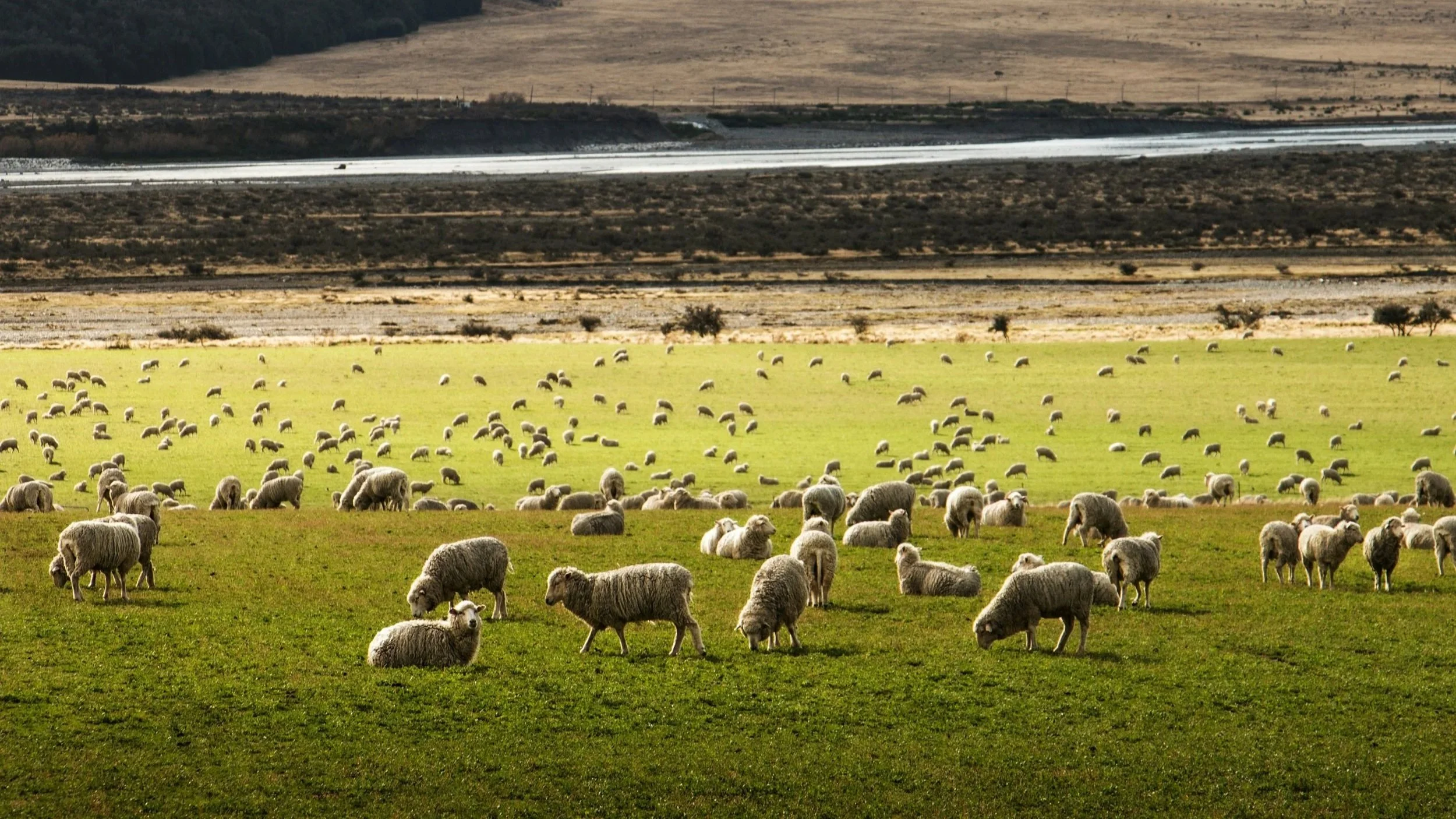
There are few places that live up to their postcards quite like New Zealand. It’s where volcanoes rise from rainforest, fjords cut deep into the earth, and even a drive between towns feels cinematic. The scale is wild, yet the spirit is warm, people here still greet strangers with kia ora, and it’s easy to feel like you belong after just a few days.
For travelers coming from the U.S., especially New York, this trip can sound intimidating: a long flight, two big islands, endless options. But with the right plan, it’s surprisingly smooth, and absolutely worth it. This is one of those journeys where the how matters as much as the where, and that’s exactly where I come in.
Need to Know
Navigating shifting weather, regional travel logistics, and local customs is easier with a few well-chosen tips, ensuring a smooth and rewarding experience.
Currency: The New Zealand Dollar (NZD) is the national currency, with credit cards widely accepted. ATMs are easy to find in towns and cities to help keep cash on-hand for rural cafés, markets, and remote adventure stops. Tipping is not expected but appreciated for great service.
Languages: New Zealand has three official languages, including Māori and New Zealand Sign Language, but English is the most widely spoken. Learning some Maori phrases is a respectful and welcome way to interact with the indigenous communities of New Zealand.
Key phrases: kia ora (hello), tēnā koe (please and you’re welcome), poroporoaki (goodbye), whakawhetai koe (thank you), āe/kahore (yes/no).
Planning from New York (and Beyond): Getting to New Zealand is easier than it looks on a map. Direct flights from New York to Auckland mean you can leave in the evening and wake up in another hemisphere, it’s long, yes, but straightforward. I often recommend breaking up the journey with a night in Los Angeles, Fiji, or Sydney. Once you’re there, plan for at least 10–14 days. It’s a destination that deserves time to breathe, to drive, to explore, to simply take in the views. For many of my clients, we design itineraries that mix both islands: a few days on the North Island for culture and cuisine, and a week on the South Island for nature and adventure.
Airports: Auckland (AKL), on the North Island, is the country’s biggest hub, with year-round direct flights to Los Angeles, Vancouver, New York City, and more. Christchurch (CHC) is the South Island’s biggest airport, with seasonal flights from San Francisco. Both are also well connected to cities across New Zealand, Oceania, and Asia. Wellington (WLG) and Queenstown (ZQN) also offer intra-New Zealand and Oceania flights for more connectivity.
Thanks to Air New Zealand’s nonstop route from New York (JFK) to Auckland (AKL), reaching the Southern Hemisphere no longer requires a string of connections. The 16-hour flight crosses the Pacific overnight, which means you can have dinner in Brooklyn and wake up among volcanoes, or at least above them. If you’ve heard about the airline’s SkyNest, the world’s first lie-flat bunk beds in economy, yes, it’s real, and it launches on this very route. For business or premium travelers, the Business Premier Suites offer fully flat beds with doors, top-shelf New Zealand wines, and the kind of service that makes the hours slip by.
Transportation: Renting a car is one of the best ways to see New Zealand, with flexibility for scenic routes and remote regions. Private car transfers, Uber, and public transport are available in major cities, while buses link to towns. Trains provide memorable journeys through mountains and plains but are limited, and ferries connect the North and South Islands.
Best time to visit: New Zealand is a year-round destination, but a lot of activities are seasonal. Fall (March–May) and spring (September–November) offer great outdoor weather for seasonal landscapes, hiking, and fewer tourists. Summer (December–February) brings warm weather for beaches and festivals, but expect larger crowds and higher prices. Winter (June–August) is best for skiing and snowboarding.
Ideal length of stay: Plan at least eight to 10 days to make the long journey worthwhile. The extra time lets you balance South Island adventure with North Island culture, from fjords and alpine trails to vibrant cities and Māori heritage sites.
Signature dishes and drinks:
Pavlova: A crisp meringue dessert topped with whipped cream and fresh fruit.
Green-lipped mussels: Plump, jade-hued mussels unique to New Zealand waters, best steamed with garlic or white wine.
Hāngī: A traditional Māori feast of meat and root vegetables slow-cooked in an earth oven, bringing smoky, tender flavors.
Lamb: Renowned for its tenderness, roasted or grilled and paired with seasonal veggies.
Venison: Farm-raised and mild, tender cuts are often roasted or pan-seared.
Crayfish (kōura): A South Island delicacy, grilled, and served with lemon and butter.
Fish and chips: Fresh-caught snapper or hoki wrapped in paper with a side of fries.
Feijoas: A tart-sweet tropical fruit from South America that’s become New Zealand’s unofficial national fruit, eaten fresh, blended into smoothies, or baked into cakes.
Flat white: Silky espresso with velvety milk, said to have been perfected in New Zealand’s café culture.
Wine: Best known for Sauvignon Blanc from Malborough, and, more recently, Pinot Noir from Marlborough, Martinborough, and Central Otago.
What to wear: New Zealand weather can feel like experiencing four seasons in a single day, with sun, wind, and rain all before lunch. Pack versatile layers like a light jacket, breathable tops, and a waterproof shell. On the South Island, even summer evenings turn crisp, so a warm sweater is essential. Cities like Auckland and Wellington blend laid-back style with urban polish, and sturdy, comfortable walking shoes are a must.
Travel tips:
Respect Māori culture: Take time to learn a few words of Te Reo Māori, and respect marae (meeting grounds) and cultural traditions.
Shopping: Major cities showcase design-focused fashion, contemporary Māori art, and natural skincare with native ingredients such as kawakawa and mānuka honey. In smaller towns, seek out hand-carved pounamu (greenstone), merino wool garments, and artisanal treats like honey and craft chocolate.
Driving: Remember to drive on the left side of the road. Watch for winding routes and the occasional sheep crossing. Speed limits are strict.
Medications: Bring prescriptions in original packaging. Pharmacies are well-stocked, but some US over-the-counter meds may need a prescription here.
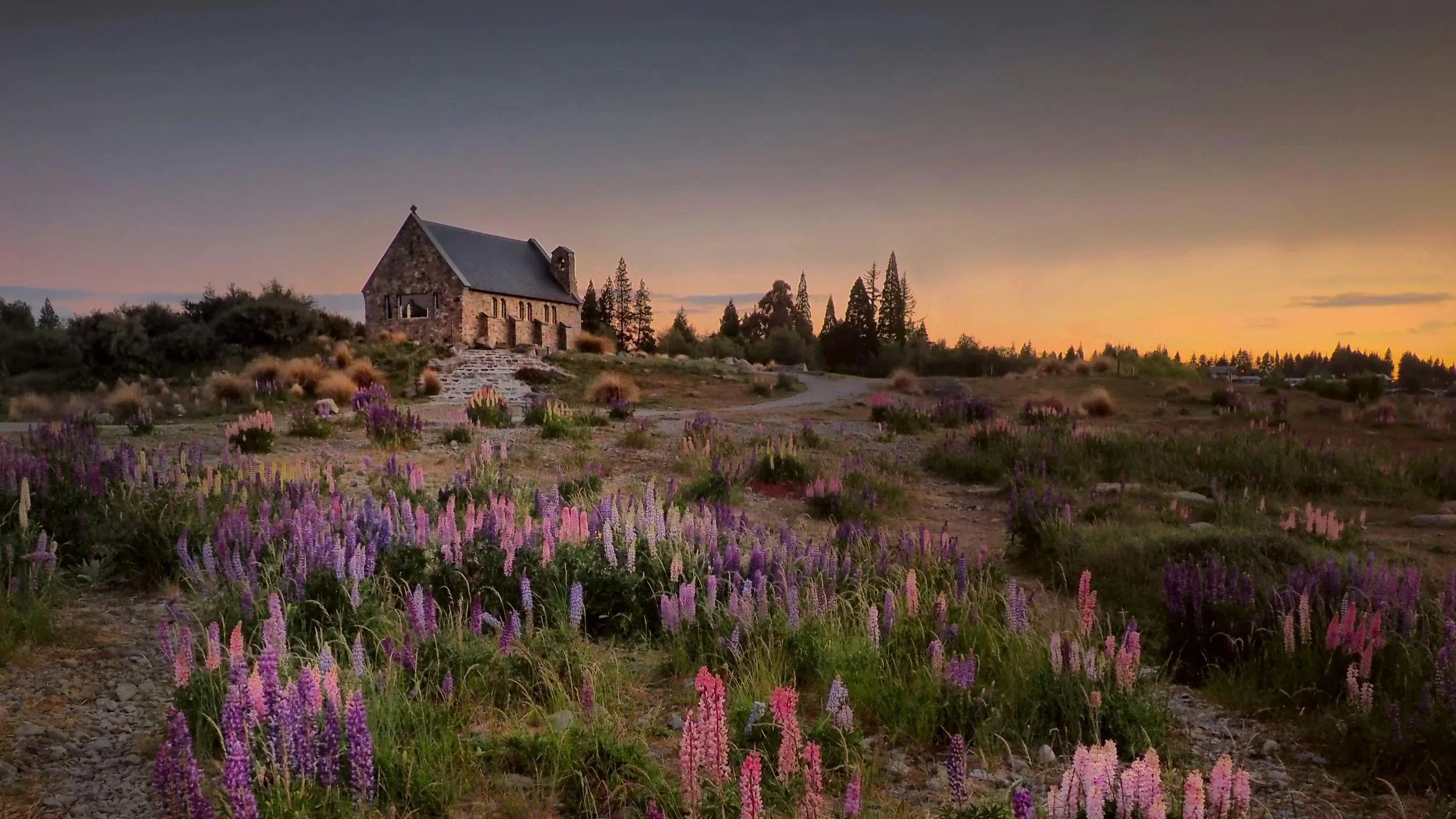
There are also excellent one-stop options via Los Angeles, San Francisco, or Houston, perfect if you’d like to break up the journey with a day in California or a quick island stay in Fiji or Tahiti. I often help clients craft the smartest version of that, combining easy flight schedules, the right seat class, and partner-hotel stays that turn a stopover into part of the adventure.
And once you land? You’ll thank yourself for having someone (hi!) who already knows how to time domestic flights, ferry crossings, and car rentals so they flow seamlessly. Distances look small on the map, but local know-how makes all the difference.
When you book through me, you also get:
Preferred air support: Access to Fora’s dedicated flight desk for ticketing, changes, and upgrades.
Hotel perks: Saily breakfast, resort credits, and priority upgrades at properties like Rosewood Matakauri, Huka Lodge, and The George Christchurch.
On-the-ground connections: Trusted guides, private transfers, and special experiences that aren’t clickable online.
It’s the kind of trip where insider logistics elevate the entire experience, smoother connections, better rooms, fewer surprises. New Zealand deserves that level of care.
A Quick Dip into History & Culture
Before the British arrived, the Māori had already built a rich, land-based culture across the islands. That relationship with the earth and sea still shapes New Zealand’s identity today, you feel it in the way people talk about the land, or in the quiet reverence for nature that runs through daily life.
You’ll see it firsthand in Rotorua, where geothermal steam mingles with traditional carving workshops, and in Wellington’s Te Papa Tongarewa Museum, which tells the story of Aotearoa (New Zealand) with honesty and heart. Even in modern design, Māori influence is visible, patterns inspired by weaving, architecture that references ancestral meeting houses, and food that celebrates the land’s bounty.
For travelers, engaging with this culture isn’t an “activity”, it’s part of understanding the spirit of the place. Take the time to listen, taste, and learn. You’ll leave changed.
North Island: Culture, Coastlines & Character
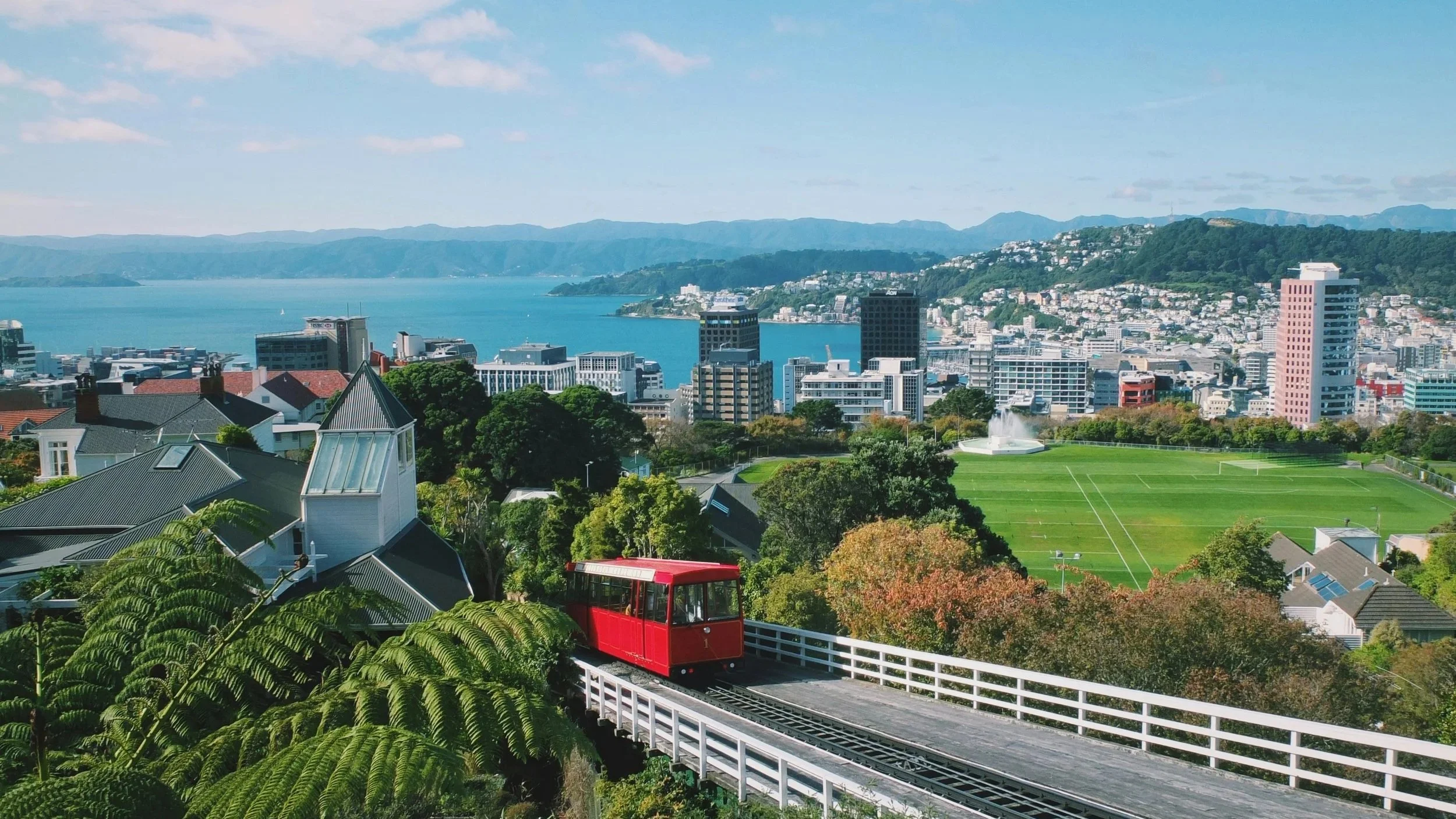
Auckland: Explore the Auckland Art Gallery Toi o Tāmaki, where contemporary Māori and Pacific works are displayed alongside international collections.
Bay of Islands: Cruise by private yacht with gourmet catering and stops at hidden coves and beaches only accessible by water.
Wharekauhau Country Estate: Savor a farm-to-table feast, where seasonal produce is sourced directly from the surrounding working sheep station.
Te Papa Tongarewa (Wellington): Take a VIP curator-led tour through New Zealand’s national museum, gaining access to treasures not on public display.
Hawke’s Bay vineyards: Sip small-batch wines at boutique estates, with private tastings led by winemakers specializing in premium Syrah and Chardonnay.
Rotorua: Indulge in treatments inspired by geothermal waters, blending mineral-rich mud therapies with serene forest surroundings.
Waiheke Island: Spend the day wine hopping across boutique vineyards, where world-class Syrah meets ocean views and chef-led pairings in a relaxed island setting.
Rotorua Treewalk: Walk the series of suspended bridges and platforms high among century-old redwood trees, illuminated at night with sculptural lanterns.
National Kiwi Hatchery: Visit conservationists working to protect New Zealand’s national bird and see kiwi chicks up close in an intimate, guided experience.
Wai-o-Tapu Geothermal Wonderland: Explore technicolor hot springs and bubbling geysers on a curated guided walk that avoids the crowds.
Hobbiton movie set: Step into Middle-earth on a private tour before ending with a festive feast at The Green Dragon Inn or a drink at The Shire’s Rest.
South Island: Drama, Wilderness & Wine
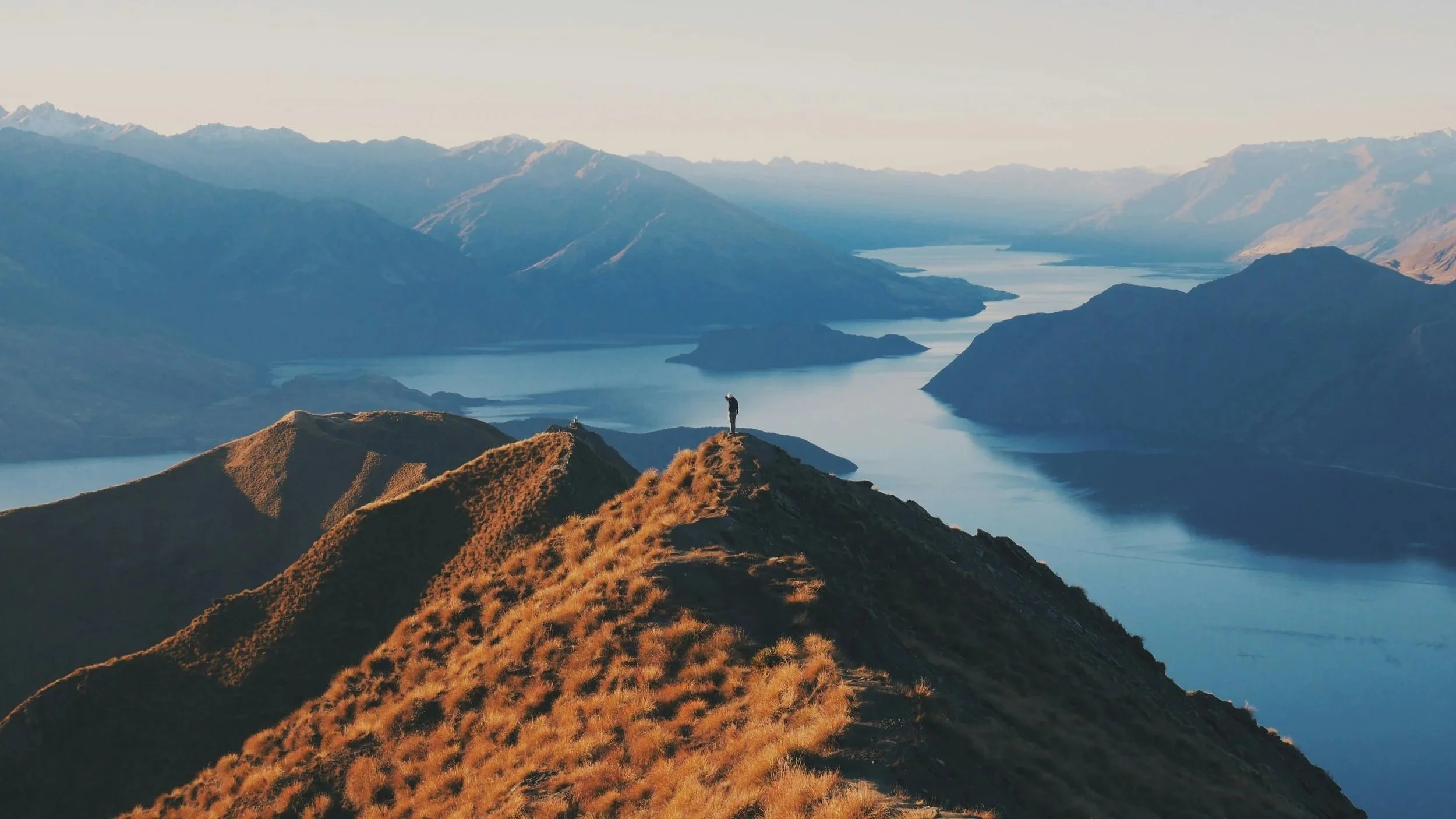
Earnslaw Burn heli-hike: Take a heli-hike into Earnslaw Burn, where cascading waterfalls and untouched alpine wilderness set the stage.
Dart River: Race through the Dart River, carving through braided rivers and narrow canyons, framed by towering peaks and dense native forest.
Bob’s Cove Nature Walk: Hike this serene lakeside loop, where reflective waters, native bush, and hidden picnic spots offer the perfect reset.
Queenstown: Ascend the Skyline Gondola, race down on the luge, then board the vintage TSS Earnslaw for a lakeside BBQ dinner at Walter Peak Station.
4WD safari: Trace historic mining trails on a 4WD adventure, where rugged alpine backdrops meet stories of fortune seekers from another era.
Adrenaline seekers: Take an off-road ride, head to the world’s first Bungy Bridge for a leap of faith, or opt for a swing and zipline thrills over the canopy.
Kinross Winery tasting: Settle into Central Otago’s boutique wine scene at Kinross, sipping pinots paired with local cheeses and charcuterie in a relaxed vineyard setting.
Milford Sound: Take a Zodiac or kayak through Milford Sound, where sheer cliffs and waterfalls frame an intimate fiord adventure complete with drinks and dinner.
Mount Cook/Aoraki: Explore glacial lakes and alpine tracks, from a boat tour across Tasman Glacier’s terminal lake to the Hooker Valley Track day hike.
Glaciers: Hike the Franz Josef and Fox Glaciers or nearby valley walks. For the ambitious, the Rob Roy Glacier Track delivers a striking hanging glacier.
Exploring New Zealand by Sea: Cruises & Expeditions Worth Knowing
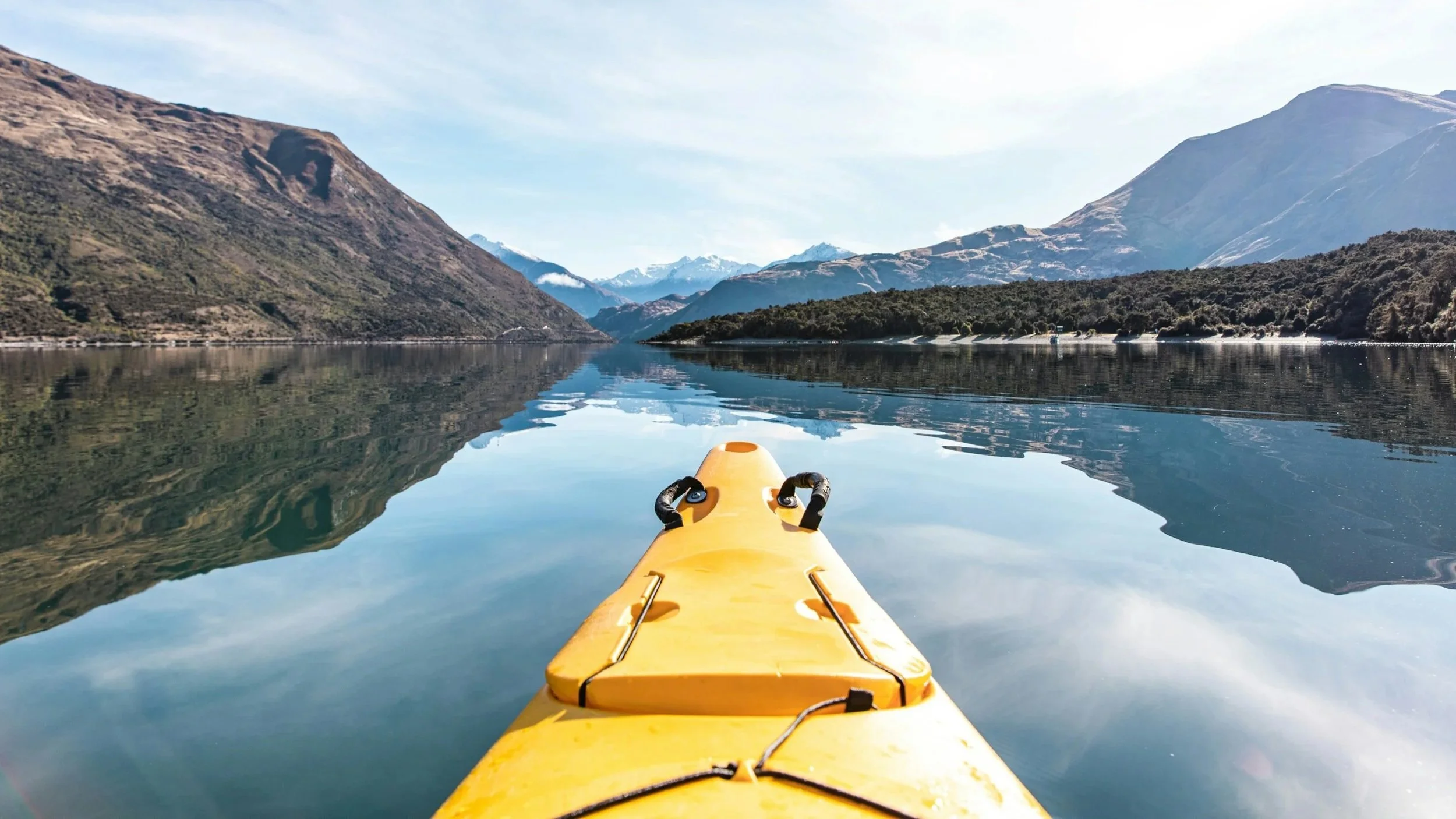
One of the most spectacular ways to see New Zealand isn’t on land at all, it’s from the water. Cruising the country’s coastline gives you a different perspective: the misty fjords of Fiordland, the hidden coves of the Bay of Islands, the volcanic silhouettes that rise straight from the sea.
There are two very different styles of sailing here, and knowing which one suits you is half the fun of planning.
Expedition Cruises:
For travelers who prefer adventure over shuffleboard, New Zealand’s smaller expedition ships, like Scenic Eclipse, Ponant, or Lindblad Expeditions–National Geographic, blend five-star comfort with serious exploration. Think Zodiac rides into remote coves, kayaking beneath waterfalls, and onboard guides who are marine biologists and photographers, not entertainers. These voyages often extend into Antarctica or the Subantarctic Islands, making them an unforgettable add-on for the truly adventurous.
Luxury Ocean Cruises:
For a smoother, more indulgent journey, I often recommend Azamara or Oceania Cruises, whose smaller ships stay longer in port and focus on cultural immersion. They sail between Auckland and Sydney, or roundtrip from Melbourne, combining both New Zealand islands with scenic sailing through Milford Sound and Doubtful Sound.
How to Book It Right:
Many of the best expedition and small-ship cruises don’t appear in the usual online searches. That’s where I can help, pairing the right route with hotel stays before and after, arranging seamless transfers, and ensuring you still enjoy Virtuoso or Fora perks at properties like Rosewood Matakauri in Queenstown or The Hotel Britomart in Auckland.
What to Eat & Drink
Food in New Zealand is delightfully unpretentious, fresh, local, and full of flavor. Order lamb anywhere and it’ll be exceptional. Try green-lipped mussels, grilled crayfish on the South Island, and a “flat white” in nearly any café. Wine lovers will want to explore Marlborough for Sauvignon Blanc and Central Otago for world-class Pinot Noir.
The country’s culinary scene reflects its mix of influences, Māori tradition, British heritage, and modern Pacific flavors, all grounded in ingredients you can literally see growing outside your window. It’s farm-to-table before farm-to-table was a trend.
Add-Ons Worth Considering
If you’re already flying halfway around the world, why not make it count? Combine New Zealand with Australia (for Sydney’s beaches or Melbourne’s dining), Fiji (for a beach unwind), or French Polynesia (for overwater bungalow bliss). Even a city stop in San Francisco or Los Angeles can help ease jet lag, and add a little contrast before heading home.
Why It’s Worth Doing Right
New Zealand is the kind of place where logistics matter, and that’s exactly where an advisor can make the difference. Think private transfers between islands, local guides who know which trails are crowd-free, and lodges where a welcome drink feels genuinely warm (and often comes with an ocean view).
When planned thoughtfully, a New Zealand trip becomes more than a vacation. It’s a reminder that there are still places on earth where nature rules, people greet you with sincerity, and adventure feels effortless.
If it’s been sitting on your bucket list, consider this your sign.
I’ll help you get there, seamlessly, beautifully, and with all the right stops along the way.